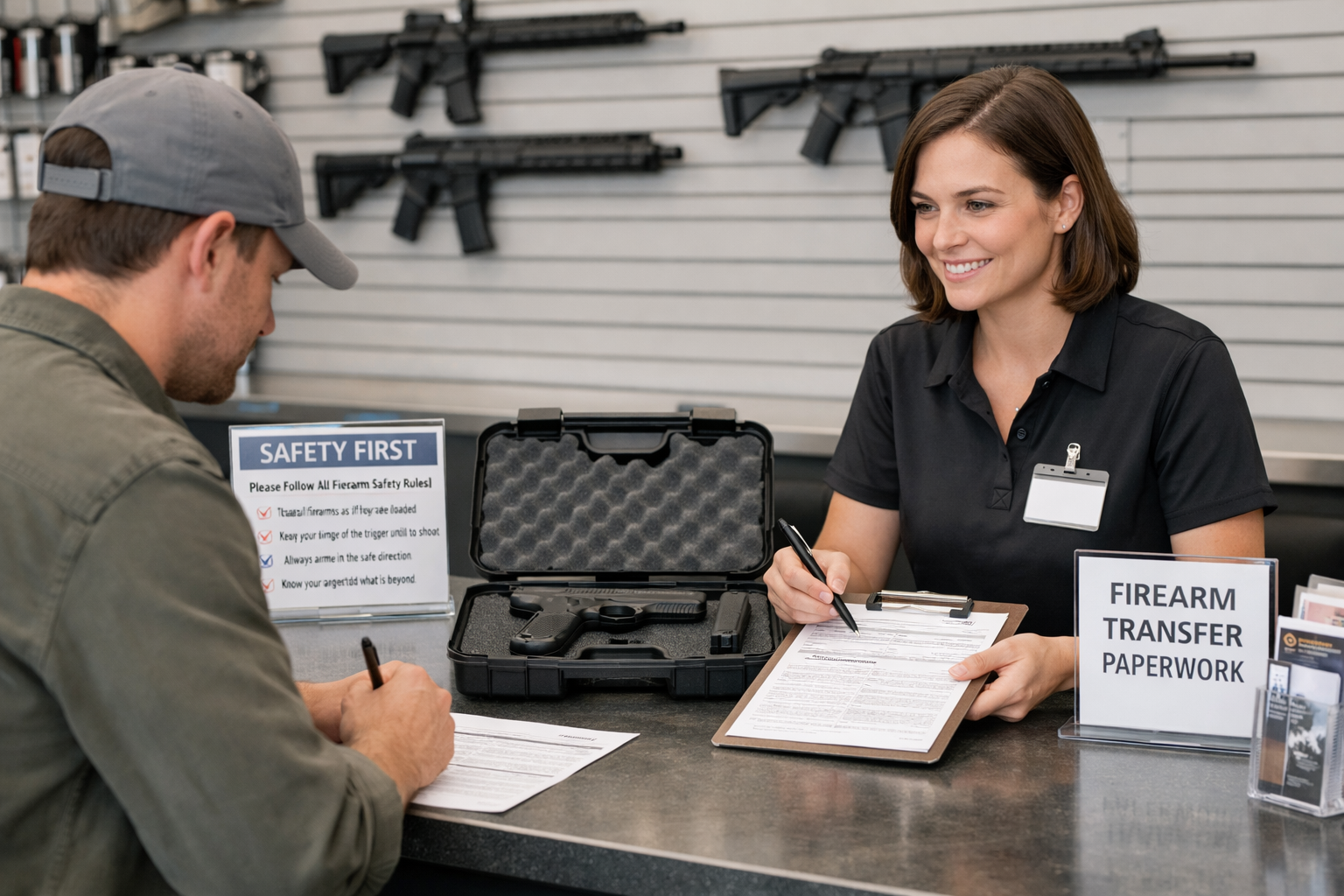

Buying a firearm is a serious transaction, and the way you conduct yourself matters just as much as the paperwork. Whether you are purchasing a handgun from a licensed dealer, picking up one of several pistols through FFL transfer services, or completing a private-party sale that must go through a local FFL, proper etiquette helps the process stay efficient, respectful, and compliant. It also protects everyone involved by reducing confusion, delays, and avoidable mistakes.
For first-time buyers, the process can feel intimidating. For experienced owners, the expectations may seem obvious. But in both cases, good etiquette is really about the same core habits: communicate clearly, show up prepared, follow the rules, and handle every firearm with care. If you keep those principles in mind, most firearm transfer services go smoothly from start to finish.
Why Etiquette Matters During a Firearm Transfer
A firearm transaction is not like buying a casual accessory or making a quick online purchase. There are legal requirements, safety expectations, and often other customers waiting their turn. A professional attitude helps the dealer or transfer agent complete the legal transfer correctly and efficiently.
Good etiquette also shows respect for the seller, the buyer, and the business handling the transfer. In many cases, the FFL is doing more than handing over a firearm. They are verifying identification, completing records, checking compliance requirements, and making sure the transfer follows state and federal law. When buyers and sellers arrive prepared, everyone benefits.
Start With Clear, Respectful Communication
The easiest way to avoid friction is to communicate clearly before the meeting. If you are the buyer, confirm the model, condition, price, included accessories, and whether the firearm is a pistol, rifle, or other type of long gun. If you are the seller, describe the firearm accurately and avoid leaving out important details that could create problems later.
Respectful communication also means setting reasonable expectations. If the transaction is being completed through a local FFL, ask ahead of time what information is required and what hours the transfer can be completed. If there are fees, make sure both sides understand who is responsible for them. A few polite messages in advance can prevent a lot of frustration on the day of the transfer.
What to ask before the appointment
- What documents do I need to bring?
- Is the firearm being transferred as a pistol, long gun, or another category?
- What are the transfer hours and appointment expectations?
- Are there any state-specific requirements I should know about?
- How should the firearm be brought in for inspection or transfer?
Arrive Prepared With the Right Documentation
One of the most common reasons firearm transfers slow down is incomplete paperwork. Before you head to the FFL, confirm what identification or supporting documents are required. In many cases, buyers need a valid government-issued photo ID, and some states or transactions may require additional documentation such as a concealed carry permit, permit to purchase, or proof of residency.
Do not assume that the dealer can “work around” missing items. If your paperwork is incomplete, the transfer may have to be delayed or rescheduled. That wastes time for everyone and can create unnecessary tension.
If you are unsure what is needed, ask in advance. A professional FFL that provides firearm transfer services should be able to explain the basics without guesswork. Bring the information you were asked for, and keep it organized and ready to present.
Helpful items to have on hand
- Government-issued photo identification
- Any required state permit or license
- Order confirmation or transfer reference number
- Payment for transfer fees, if applicable
- Contact information for the other party, if needed
Be On Time and Respect the Dealer’s Schedule
Punctuality is a simple but important part of firearm buying etiquette. If the FFL sets an appointment time, arrive on time or a few minutes early. If you expect to be late, call ahead. A delay may be unavoidable, but failing to communicate creates avoidable disruption.
Keep in mind that the dealer may be managing multiple customers, inventory, background checks, and compliance paperwork. A prompt, organized buyer helps the process move efficiently. The same is true for sellers in private transfers. When everyone arrives prepared, the transfer can usually be completed without unnecessary waiting.
Ask Clear Questions, But Stay Focused
It is completely appropriate to ask questions during a firearm transfer. In fact, it is smart to do so if anything is unclear. However, there is a difference between asking useful questions and turning the transfer into a long negotiation or technical debate.
Ask questions that help confirm the details of the transaction. For example, you might ask whether the serial number matches the paperwork, whether the firearm is being transferred as a pistol or long gun, or whether any accessories are included. If a seller is explaining the condition of the firearm, listen carefully and ask follow-up questions only where needed.
What you should avoid is slowing down the transfer with side conversations, pressure tactics, or repeated attempts to renegotiate terms after both sides have already agreed. A good rule is simple: keep the conversation relevant, polite, and efficient.
Follow All Transfer Rules Without Resistance
Firearm transfer rules exist for a reason. They are not optional, and they are not a personal preference. Whether the transfer involves pistols, long guns, or another category of firearm, the buyer and seller should follow the process exactly as the FFL explains it.
That may include filling out forms, waiting for a background check, presenting identification, or following state-specific hold periods and pickup rules. If a dealer says a step is required, do not argue as though the rule is negotiable. If you think something is unclear, ask for clarification privately and respectfully.
In a compliant firearm transfer, patience is part of professionalism. Trying to rush the process rarely helps and often creates unnecessary problems.
Handle Every Firearm Safely and Responsibly
Safe handling is essential at every stage of a firearm transaction. Even if the firearm is being transferred between two experienced owners, it should always be treated as if it is loaded until you have personally verified otherwise, following safe handling procedures and the dealer’s instructions.
When transporting a firearm to a transfer point, keep it secured and follow all applicable laws. Once at the dealer, do not handle the firearm casually, point it around the room, or place your finger on the trigger while inspecting it. Ask before touching any firearm that is not clearly part of your transfer, and wait for direction if the FFL needs to verify the item first.
It is also courteous to keep the firearm unloaded unless the dealer specifically instructs otherwise. This is one of the easiest ways to show that you take safety seriously and respect the business’s procedures.
Safe-handling reminders
- Keep the muzzle pointed in a safe direction.
- Keep your finger off the trigger until ready to inspect under proper conditions.
- Confirm the firearm is unloaded before transport when required and lawful.
- Follow the dealer’s instructions at all times.
- Do not chamber rounds or handle ammunition carelessly during the transfer.
Common Behaviors That Create Friction
Most firearm buyers and sellers are reasonable, but a few habits can quickly make a transaction stressful. Avoiding these behaviors helps keep the process professional and predictable.
1. Showing up unprepared
Arriving without the correct ID, missing permit information, or not knowing what type of transfer is being completed can delay the entire appointment.
2. Pressuring the other party
Trying to rush the seller, buyer, or FFL often makes the transaction harder, not faster. A legal transfer should be handled carefully, not hurried.
3. Changing the terms at the last minute
If the price, accessories, or firearm condition were already agreed upon, avoid renegotiating on the spot unless both sides willingly want to revisit the deal.
4. Handling firearms carelessly
Unsafe muzzle direction, unnecessary manipulation, or casual horseplay with a firearm creates tension and may result in the dealer ending the interaction.
5. Arguing about compliance steps
If an FFL says a form or procedure is required, treat that instruction seriously. Compliance is part of the service, not an inconvenience to be debated.
Key Takeaways
- Respectful communication makes firearm buying and selling easier for everyone involved.
- Bring the required documents so your firearm transfer is not delayed.
- Arrive on time and be prepared for the dealer’s process.
- Ask clear questions, but keep the transaction focused and professional.
- Follow all legal transfer rules exactly as instructed by the FFL.
- Handle pistols, long guns, and all firearms safely at every step.
- A calm, compliant approach reduces friction and helps the transfer go smoothly.
FAQ
What should I bring to a firearm transfer appointment?
At minimum, bring the identification and any permits or documents required by your state or the transferring FFL. It is also smart to bring payment for transfer fees and any reference number or paperwork related to the transaction.
Can I inspect a firearm before the transfer is completed?
In many cases, yes, but only under the dealer’s guidance and with safe handling practices. Always ask before touching the firearm and follow the FFL’s instructions during inspection.
What if I am buying a pistol instead of a long gun?
The transfer process may differ depending on how your state treats pistols versus long guns. The dealer will usually explain what applies to your transaction, so ask questions early if you are unsure.
Do private-party sales always need an FFL?
Not always, but many states require certain private-party transfers to go through a licensed dealer. Because the rules vary, verify the legal requirements in your area before completing the sale.
What happens if I forget a required document?
The transfer may need to be delayed or rescheduled. That is why it is best to confirm the requirements ahead of time and bring everything you need the first time.
Why do dealers care so much about how a firearm is handled?
Because safety, compliance, and professionalism are all part of the process. Proper handling protects people, protects property, and helps the transfer move forward without issues.
Related Resources
- ATF Firearms — The Bureau of Alcohol, Tobacco, Firearms and Explosives provides official federal firearms information and guidance for owners, buyers, and licensees.
- ATF Firearms Frequently Asked Questions — A useful starting point for common questions about firearm ownership, transfers, and federal rules.
- FBI National Instant Criminal Background Check System (NICS) — This official resource explains the background check system used in many firearm transfers.
- ATF Firearms FAQ — Another official ATF reference for general compliance questions and transfer-related concerns.