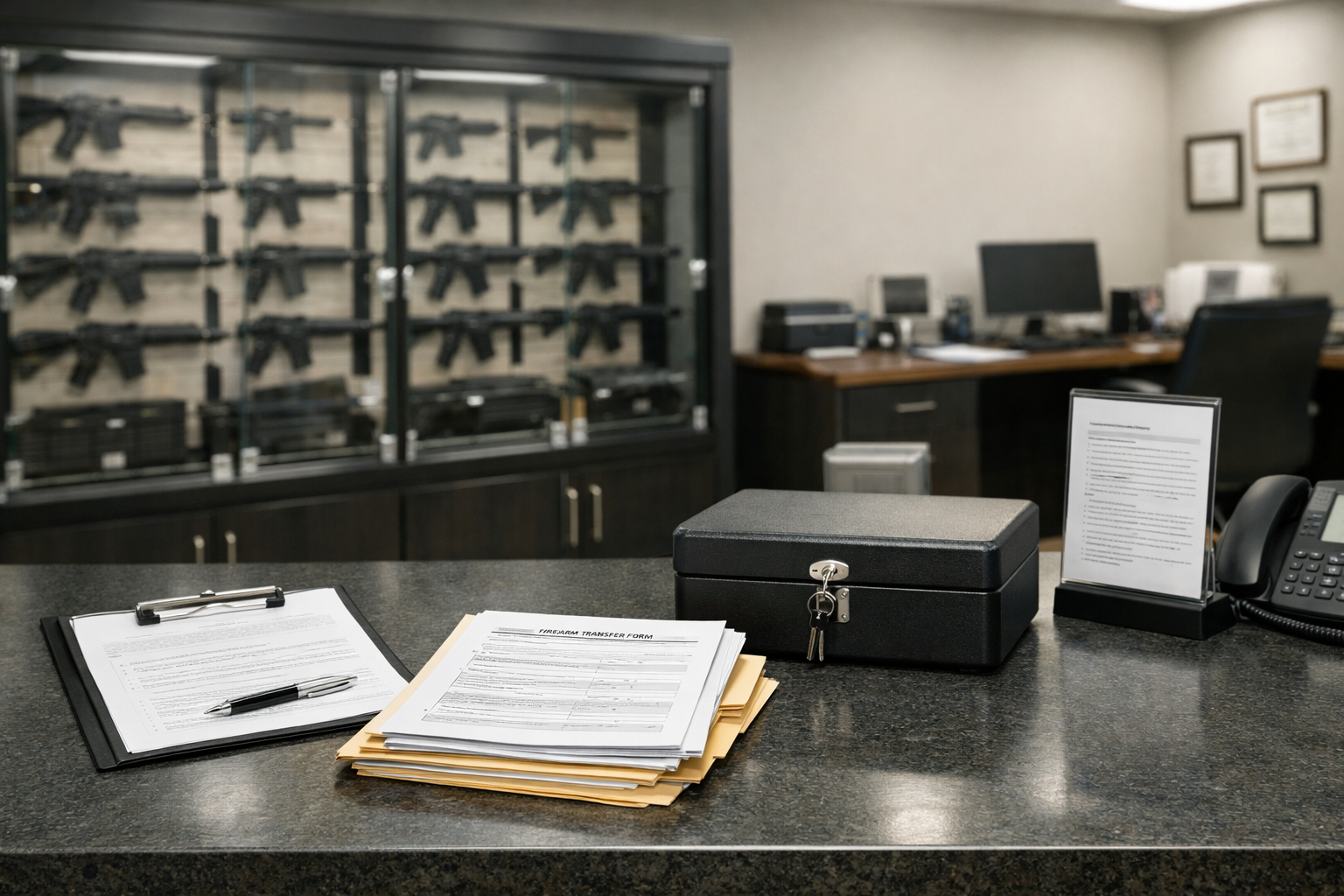

Completing a firearm transfer legally does not have to be confusing. Whether you are buying from a local seller, ordering online, or receiving a firearm from another state, the safest path is to work through a licensed FFL transfer and follow every applicable federal, state, and local rule. That process helps protect the buyer, the seller, and the dealer while keeping the transfer clean, documented, and compliant.
If you are looking for FFL transfer services or practical firearm transfer services in Southern Arizona, the team at RPG Tactical—a veteran-owned and operated licensed firearms dealer—can help make the process straightforward. From FFL transfer Vail AZ customers to those needing a firearm transfer Tucson solution, the goal is the same: complete the transfer legally, accurately, and without unnecessary delays.
This guide walks through the process in simple steps. It is educational in nature, not legal advice, and it should always be paired with the current rules that apply where you live.
What a firearm transfer actually means
A firearm transfer is the formal handoff of a firearm from one person or business to another. In many cases, that transfer must be processed by a Federal Firearms Licensee, or FFL. The dealer handles the required paperwork, verifies identity, and completes the background check process where required.
This is especially important for:
- Firearms purchased online and shipped to a dealer
- Interstate transfers
- Private sales that must go through a dealer under state or federal law
- Gifts or inheritances that require formal processing
Using a licensed dealer is not just a convenience. It is often the legal requirement. A proper transfer also creates a clear record of the transaction, which helps everyone involved.
Step-by-step: how to complete a firearm transfer legally
1. Confirm that the firearm is lawful for you to receive
Before anything else, make sure the firearm you want to receive is legal for you to possess in your state and locality. Some firearms, magazine configurations, or features may be restricted depending on where you live. Age requirements, permit rules, waiting periods, and storage laws can also vary.
If you are not sure whether a particular firearm is allowed, stop and verify the law first. A responsible dealer will encourage that step.
2. Choose a licensed FFL to handle the transfer
The next step is selecting a dealer who can receive the firearm and process the paperwork. If you are shopping online, the seller will usually ask for a copy of the receiving dealer’s license before shipping. If you are arranging a private transfer, both parties may need to coordinate through the dealer.
When choosing a dealer, look for:
- Clear transfer policies and fees
- Prompt communication
- Knowledge of federal and state transfer requirements
- A location that is convenient for pickup and verification
For many buyers in the region, working with a Southern Arizona FFL helps simplify the logistics. A nearby dealer can reduce shipping confusion and make the pickup process easier.
3. Arrange the transfer before the firearm is shipped
Do not assume a seller can just mail a firearm to any address. In most cases, the firearm should be shipped to the receiving dealer, not directly to the buyer. The buyer should provide the dealer’s name, address, and any other details the seller requests.
If you are the buyer, ask the dealer what information they need before the firearm is sent. That small step can prevent package delays, return-to-sender issues, or missed paperwork.
Tip: A few minutes of coordination up front can save days of delay later. When in doubt, call the dealer before the firearm ships.
4. Make sure the receiving dealer logs in the firearm correctly
Once the firearm arrives, the dealer will log it into their records. This is a normal part of the process. The dealer then contacts the buyer when the firearm is ready for the next step. Depending on the dealer, this may include confirming the serial number, the type of firearm, and the package contents.
If anything arrives damaged, incomplete, or not as expected, notify the dealer and the seller right away. It is much easier to address a shipping or inventory issue before paperwork is finalized.
5. Complete the required paperwork accurately
When you go in to pick up the firearm, you will usually complete federal paperwork such as ATF Form 4473, along with any state-required forms. You will need valid identification, and in some cases additional documents may be required depending on state law or dealer policy.
Take your time and fill out every section carefully. Common mistakes include:
- Using a nickname instead of your legal name
- Entering an outdated address
- Leaving required boxes blank
- Rushing through yes/no eligibility questions
- Forgetting to provide documentation requested by the dealer
Accuracy matters. Small errors can cause delays, force you to redo paperwork, or create compliance problems for everyone involved.
6. Complete the background check and any waiting period
Most dealer transfers involve a background check process. The dealer will submit the required information through the appropriate system, and the transaction may be approved, delayed, or denied based on the response.
Some states also require waiting periods or additional approvals before the firearm can be released. Even if the background check is completed quickly, the dealer must still follow all waiting period rules and other legal requirements before you can take possession.
If a transfer is delayed, stay patient and follow the dealer’s instructions. Delays are not unusual, and they often resolve once the system returns a final response.
7. Inspect the firearm before you leave
Before leaving the dealer, check that the firearm is the one you expected and that the serial number matches the paperwork. Make sure accessories or included items are present if they were part of the sale.
This is also a good time to ask basic questions about safe handling, storage, or cleaning. Even experienced owners benefit from a quick review, especially when receiving a new model.
Once the transfer is complete and the firearm is lawfully released to you, follow safe transport and storage practices on the way home.
Why paperwork accuracy matters
Paperwork is not just a formality. It is the legal record of the transfer. The dealer relies on that information to stay compliant, and you rely on it to avoid unnecessary delays.
When paperwork is filled out correctly, the transfer is usually smoother, faster, and easier to track. When it is not, the result may be resubmission, additional verification, or a postponed pickup. That is why reputable firearm transfer services focus on careful review, clear instructions, and good recordkeeping.
Common mistakes to avoid
- Skipping the dealer: Some transfers must go through a licensed dealer, especially when state lines are involved.
- Assuming all states work the same way: Laws vary widely, so always confirm the rules where the firearm is received.
- Using the wrong name or address: Your paperwork must match your legal identification.
- Letting someone else pick up the firearm: Only the lawful recipient should complete the transfer unless the dealer specifically says otherwise under applicable law.
- Forgetting to check local rules: City, county, and state requirements can add extra steps.
How a licensed dealer helps keep the transfer compliant
A good dealer does more than hand over a firearm. A licensed dealer helps confirm that the transfer is being completed correctly, documents the transaction, and makes sure the required steps happen in the right order.
That is one reason buyers often choose a licensed FFL transfer instead of trying to work around the system. It reduces risk, protects the buyer, and helps prevent common mistakes that can turn into legal problems.
For customers looking for firearm transfer Tucson service or an FFL transfer Vail AZ option, RPG Tactical provides a practical, no-nonsense process that keeps the focus on compliance and customer service. Clear communication matters, especially when you are dealing with a firearm purchase that must be handled correctly the first time.
Key takeaways
- Always confirm that the firearm is legal for you to receive under current federal, state, and local law.
- Use a licensed dealer for transfers that require FFL processing.
- Fill out all paperwork carefully and use your legal information exactly as it appears on your ID.
- Be prepared for a background check, possible waiting period, and dealer-specific procedures.
- When in doubt, ask the dealer before the firearm is shipped or before you arrive for pickup.
FAQ
Do I need a dealer for every firearm transfer?
No. Some transfers may be allowed without a dealer depending on the situation and the laws that apply. However, many transfers do require a licensed FFL, especially interstate transfers and other transactions covered by federal or state rules. If you are unsure, ask a dealer before moving forward.
How long does a firearm transfer usually take?
It depends on the dealer, the shipping time, the background check process, and any state waiting period. Some transfers are completed quickly, while others take several days or longer. The best approach is to ask the dealer what timeline to expect before you begin.
What should I bring when I pick up the firearm?
Bring valid government-issued identification and any additional documents the dealer tells you to provide. If your state requires a permit, extra form, or proof of residence, bring that too. It is smart to confirm the requirements before you arrive.
Can I have an online purchase shipped directly to me?
In many cases, no. Firearms purchased online are commonly shipped to a licensed dealer who then completes the transfer to you. This is one of the most common uses of firearm transfer services and one of the reasons a dealer is so important in the process.
What if I am in Southern Arizona?
If you need a Southern Arizona FFL, RPG Tactical can help with transfer questions, paperwork, and pickup coordination. Whether you are looking for FFL transfer services near Vail or a firearm transfer Tucson solution, working with a local licensed dealer can make the process easier to manage.
Related Resources
- ATF Firearms FAQs — A reliable starting point for federal questions about firearm buying, selling, and transfers.
- FBI National Instant Criminal Background Check System (NICS) — Helpful for understanding the background check system used in many dealer transfers.
- ATF Form 4473 Information — Useful for learning more about the firearm transaction record commonly completed during dealer transfers.