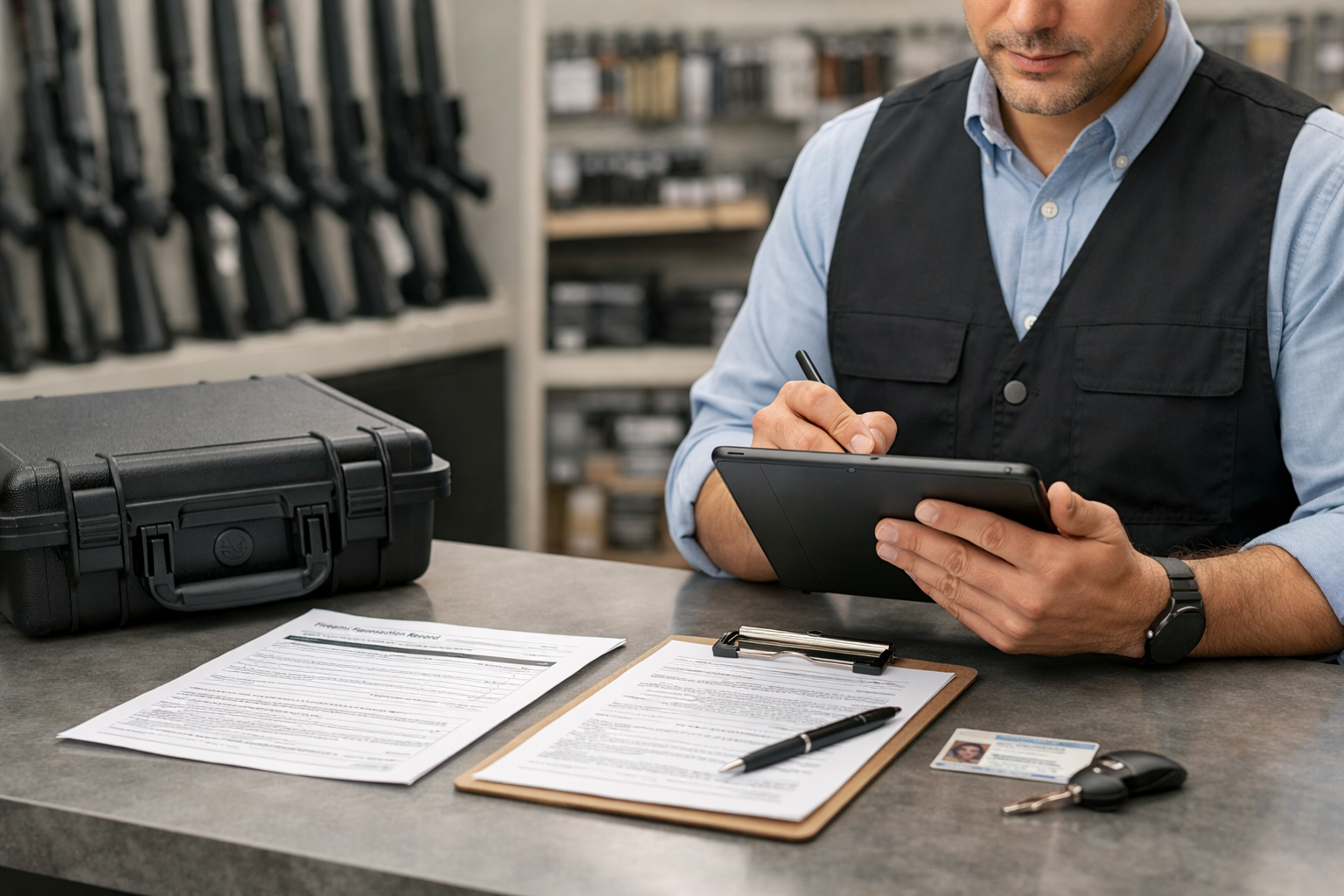

FFL transfers should be straightforward, but small mistakes can slow the process down or create avoidable compliance problems. Whether you are buying online, receiving a private shipment, or using local FFL transfer services, the goal is the same: complete the transfer correctly, legally, and without unnecessary delays. At RPG Tactical, a veteran-owned and operated licensed firearms dealer, we help customers complete firearm transfers with a focus on professionalism, clear communication, and strict compliance.
If you are arranging a licensed FFL transfer for the first time, or you simply want the process to go more smoothly, it helps to know the mistakes that cause the most trouble. Buyers looking for FFL transfer Vail AZ support, firearm transfer Tucson assistance, or a reliable Southern Arizona FFL should expect the same thing every time: preparation matters.
Common FFL Transfer Mistakes and How to Avoid Them
1. Not confirming the receiving FFL before the firearm ships
One of the most common mistakes is ordering a firearm before the buyer has verified the receiving dealer. Some sellers will not ship until they have a signed copy of the receiving FFL’s license, and some dealers require the transfer to be prearranged before the package arrives. If the seller uses the wrong dealer information, the shipment may be delayed or returned.
How to avoid it: Confirm the receiving dealer’s name, shipping address, phone number, and license details before placing the order. If the seller requests a copy of the FFL, make sure they are using the current version provided directly by the dealer. A quick confirmation call can prevent a major delay.
2. Arriving without the right identification
Another frequent issue is showing up for the transfer without proper identification. For federal paperwork, the buyer must provide valid government-issued identification that supports the current residential address. If the address on the ID does not match the buyer’s actual residence, additional documentation may be required depending on the situation and dealer policy.
How to avoid it: Bring a current, unexpired government-issued photo ID and any additional documents the dealer tells you to provide. If your address recently changed, ask ahead of time what proof of residence is acceptable. Do not assume that an ID alone will solve every issue.
3. Using incorrect personal information on the paperwork
Simple spelling errors can create unnecessary complications. A misspelled name, wrong date of birth, incorrect address, or mismatch between your paperwork and identification can slow down the transfer or force the form to be corrected. In some cases, it may even require the transfer to be restarted.
How to avoid it: Read every line carefully before signing. Make sure your name, residence address, and other personal details exactly match your ID and supporting documents. If you notice an error, speak up before the form is submitted.
4. Assuming all transfers work the same way
Not every transfer is handled the same way. A transfer from an online retailer may involve different timing and shipping steps than a private-party shipment or an in-state transfer. Handguns, long guns, and receivers may also be handled differently depending on federal, state, and dealer-specific procedures. Buyers sometimes assume there is one universal process, then get surprised when the dealer asks for additional steps.
How to avoid it: Ask the dealer how they handle the specific type of firearm you are receiving. Before you buy, confirm whether the item is eligible to ship to your selected FFL and whether there are any special requirements for the transaction. Clear expectations up front make the process much easier.
5. Ignoring state and local legal requirements
Federal law is only part of the picture. State laws, local rules, and dealer policy can all affect a transfer. Some buyers focus only on the online checkout process and overlook the rules that apply where the firearm is being received. That can lead to delays, extra documentation, or an unsuccessful transfer.
How to avoid it: Know the rules that apply in your state and city before you buy. If you are using firearm transfer services in Arizona, ask the dealer to explain the general process and what documentation you should expect to bring. A responsible buyer does not rely on assumptions.
Compliance tip: A smooth transfer is usually the result of three things: accurate information, proper identification, and advance communication with the dealer.
6. Failing to coordinate fees and transfer timing
Some buyers are caught off guard by transfer fees, storage timelines, or pickup windows. If a firearm arrives before the buyer is ready, or if the pickup is delayed too long, the dealer may have to hold the item according to policy. That can create confusion and additional cost.
How to avoid it: Ask about all fees before the firearm is shipped. Find out when the dealer will contact you, how long they will hold the firearm, and what days or hours are available for pickup. This is especially important if you need firearm transfer Tucson service while traveling or working around a tight schedule.
7. Rushing the background check and paperwork
The transfer process is not the place to hurry. Buyers sometimes sign forms too quickly, skip questions, or fail to review the details of the federal paperwork. That can create mistakes that take time to correct. It also increases the chance that the buyer misinterprets a question or enters inaccurate information.
How to avoid it: Take your time. Read each question carefully and answer honestly. If you are uncertain about a form, ask the dealer for clarification before signing. A responsible licensed FFL transfer should be handled methodically, not rushed.
8. Not checking the condition of the firearm at pickup
Some buyers assume the firearm is perfect because it came from a reputable seller or distributor. In reality, you should inspect the item at pickup and notify the dealer promptly if there is an obvious issue. This is especially important for used firearms or items that may have been shipped with accessories.
How to avoid it: Inspect the firearm carefully before leaving the store, following the dealer’s rules for handling. Verify the make, model, serial number, and included accessories. If anything appears wrong, address it immediately rather than waiting until later.
9. Not communicating special circumstances in advance
Some transfers involve unusual situations, such as a name change, expired ID, a different residential address, or special shipping circumstances. When buyers wait until the last minute to mention these details, the transfer may be delayed while the dealer verifies what is needed.
How to avoid it: Tell the dealer about any special circumstances before the firearm arrives. Clear communication helps the dealer prepare the paperwork correctly and reduces the risk of a wasted trip.
How a prepared buyer makes the process smoother
A prepared buyer saves time for everyone involved. Dealers appreciate customers who arrive informed, organized, and ready to complete the transfer correctly. Preparation also reduces stress because you know exactly what to expect when you walk in.
If you want your transfer to go smoothly, try following this simple checklist:
- Confirm the receiving dealer before purchasing.
- Ask what identification and supporting documents you need to bring.
- Verify all personal information before paperwork is submitted.
- Understand the transfer fee and pickup process in advance.
- Review state and local rules that may apply to your purchase.
- Bring patience and allow time to complete the paperwork properly.
Customers who take these steps are usually the ones who have the best experience with FFL transfer services. Whether you are working with a local dealer or arranging a transfer through RPG Tactical, preparation is one of the simplest ways to keep the process efficient and compliant.
Key takeaways
- Accuracy matters: Small errors in names, addresses, or shipping details can delay a transfer.
- Bring proper ID: Make sure your identification is current and matches your information.
- Coordinate before shipping: Confirm the dealer, fees, timing, and required documents ahead of time.
- Know the rules: Federal law is only one part of the process; state and local requirements may also apply.
- Preparation saves time: A well-prepared buyer makes the licensed FFL transfer faster and smoother for everyone.
FAQ
What do I need to bring to an FFL transfer?
At minimum, you should bring a valid government-issued photo ID and any supporting documents the dealer requests. Depending on your situation, you may need additional proof of residence or other documentation. If you are unsure, contact the dealer before pickup so you can arrive prepared.
Can I have a firearm shipped before I choose a dealer?
It is best not to. Always confirm the receiving FFL first so the seller has the correct shipping information and the dealer is ready to process the item. Shipping to the wrong location can cause delays or return issues.
How long does a firearm transfer take?
The time can vary based on the dealer’s procedures, the background check process, and how busy the store is. Some transfers are completed quickly, while others may take longer if there are paperwork issues or additional verification steps. Arriving prepared is the best way to keep the process moving.
Do I need to know the laws in my state before starting a transfer?
Yes. Federal rules apply, but state and local laws can also affect the transaction. Buyers should always confirm the rules that apply where the firearm is being received. A good dealer can explain the transfer process, but legal compliance ultimately starts with the buyer.
Does RPG Tactical handle local firearm transfers?
Yes, RPG Tactical provides professional firearm transfer support for customers looking for a trusted Southern Arizona FFL. If you need FFL transfer Vail AZ service or firearm transfer Tucson assistance, contact the store ahead of time to confirm current procedures, fees, and required documents.
Related Resources
- ATF Firearms — The ATF’s main firearms page offers federal regulatory information and official resources for firearm owners and dealers.
- ATF Firearms Q&A — A practical source for common federal firearms questions, including dealer and transfer-related topics.
- FBI National Instant Criminal Background Check System (NICS) — Official information on the background check system used during many firearm transfers.
- Arizona Revised Statutes — Arizona’s official statutes site is useful for reviewing state law that may affect firearm ownership and transfer requirements.