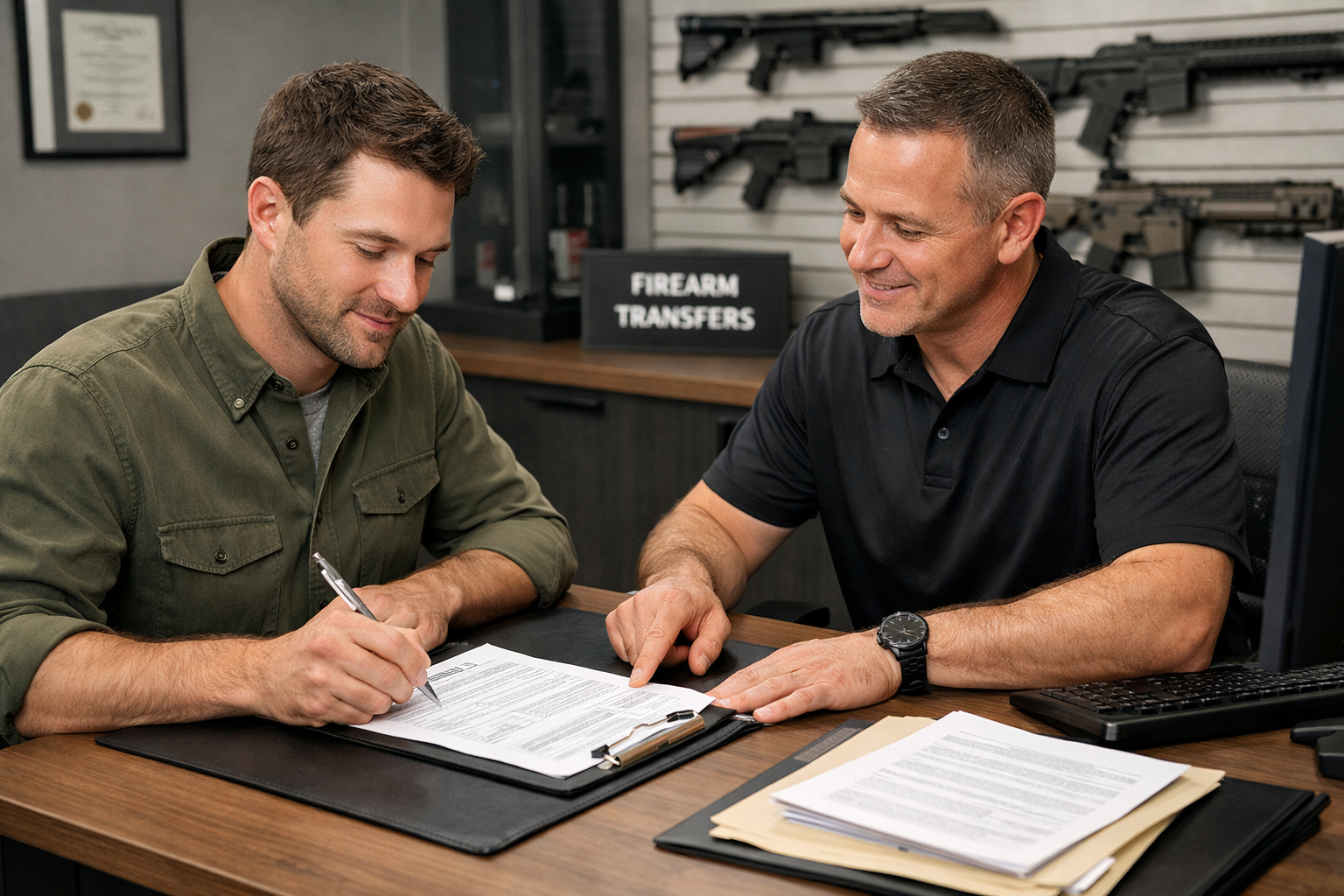

Buying or selling a firearm should never feel rushed, confusing, or improvised. Whether you are handling pistols, long guns, or another firearm type, a smooth transaction depends on clear communication, accurate paperwork, and a solid understanding of the legal transfer process. When people skip steps or make assumptions, they create delays, inconvenience, and sometimes serious compliance problems.
At RPG Tactical, we take a practical, safety-conscious approach to firearm transfer services. From a veteran-owned business perspective, good process matters. It protects everyone involved, keeps the transaction on the right side of the law, and helps ensure the firearm changes hands responsibly. If you are preparing for a firearm transfer, here are the most common mistakes buyers and sellers should avoid.
Why firearm transactions require extra care
A firearm purchase or sale is not the same as buying most other items. In many cases, a legal transfer involves a licensed dealer, identity verification, a background check, and proper documentation. Even when a transaction seems straightforward, the rules can vary depending on the firearm, the state, and whether the transfer is between private parties, a dealer, or an out-of-state buyer or seller.
That is why FFL transfer services exist. A Federal Firearms Licensee can help coordinate the transfer, manage required paperwork, and make sure the process stays compliant. Skipping that step when it is required is one of the biggest mistakes buyers and sellers make.
Common mistakes buyers make
1. Not understanding how the transfer works before sending payment
One of the biggest buyer mistakes is assuming that paying for a firearm online or through a private arrangement means the transaction is automatically complete. In reality, the firearm may still need to be shipped to an FFL, entered into the dealer’s process, and transferred only after the required checks are finished.
Before paying, buyers should understand where the firearm is coming from, which dealer will receive it, and what steps are required to complete the firearm transfer. This is especially important for out-of-state purchases and for anyone buying pistols or long guns from a seller in another jurisdiction.
2. Bringing incomplete or inaccurate paperwork
Incomplete paperwork is a common source of delay. Buyers sometimes arrive without the required identification, provide an outdated address, or fail to bring supporting documents needed for their specific transfer. Others make simple errors on forms that force the process to stop and restart.
Even small mistakes can create frustration. If a transfer requires a background check, make sure your information matches your government-issued ID and any other records the dealer needs. Double-check spelling, addresses, and dates before you submit anything. Precision matters in firearm transfer services.
3. Rushing the process
Some buyers want to move fast because the firearm is in high demand or because they do not want to “lose” a deal. But rushing is a poor strategy. A legal transfer takes the time it takes. The process may include paperwork, waiting for the background check, and, in some cases, additional state or local requirements.
Practical rule: if the transaction feels rushed, slow it down and confirm every step. A few extra minutes of verification is far better than dealing with a preventable compliance issue later.
4. Assuming every state has the same rules
Buyers sometimes assume that firearm transfer rules are uniform nationwide. They are not. A transfer that is acceptable in one state may be handled differently in another. That matters for both handguns and long guns, and it matters even more when the firearm crosses state lines.
If you are not sure whether your transaction requires a local dealer, an interstate transfer, or additional documentation, verify the requirement before proceeding. A legal transfer depends on following the rules that apply to your location, not just on what someone did in another state.
Common mistakes sellers make
1. Not verifying that the transfer path is compliant
Sellers often make the mistake of agreeing to a sale without confirming how the firearm will legally change hands. Private sales, dealer transfers, and online sales each work differently. If the firearm must go through an FFL transfer, skipping that step can create serious legal and practical problems.
Sellers should know whether the buyer is local, out of state, or purchasing through a dealer. They should also understand whether the firearm is a pistol, long gun, or another type that may be subject to different rules depending on the jurisdiction.
2. Failing to communicate clearly with the buyer and the FFL
Poor communication causes many transfer problems. Sellers may not tell the buyer where the firearm is being sent, what information the receiving dealer needs, or when the shipment will go out. They may also fail to confirm that the receiving FFL is ready to accept the firearm.
Clear communication prevents avoidable delays. Before the transaction begins, both sides should agree on the transfer method, the receiving dealer, payment terms, and who is responsible for shipping or transfer fees. A smooth firearm transfer is rarely an accident; it is usually the result of good planning.
3. Skipping records and transaction details
Keeping basic records is a smart practice even when the law does not require a detailed personal log for every private exchange. Sellers should document who the firearm was transferred to, when the transfer took place, and which dealer handled the transaction if applicable.
That information can be valuable if questions arise later. It also helps protect the seller by showing that the firearm was transferred through the proper legal channel. For anyone using FFL transfer services, recordkeeping should be treated as part of the process, not an afterthought.
4. Meeting in an informal setting without a plan
Many problems start with an informal meeting and no clear process. A parking lot handshake may sound simple, but firearm transfers are not the place to improvise. If the transfer requires dealer involvement, background checks, or shipping to an FFL, both parties should arrange the transaction accordingly.
Safe and compliant transactions usually involve a more structured process than a casual meetup. That structure protects the buyer, protects the seller, and helps ensure the firearm is transferred legally.
How to reduce mistakes before the transfer starts
The best way to avoid problems is to slow down before money changes hands or the firearm is shipped. A few simple habits can prevent most issues:
- Confirm the transfer method: Determine whether the firearm transfer must go through an FFL or another legal channel.
- Verify the buyer or seller information: Make sure names, addresses, and contact details are accurate.
- Ask about state requirements: Do not assume the same rules apply everywhere.
- Prepare the necessary documents: Bring proper identification and any supporting information requested by the dealer.
- Communicate before shipping or meeting: Agree on timing, fees, and responsibilities in advance.
These steps may seem basic, but they are exactly what make a legal transfer run smoothly. They also help reduce stress for anyone using firearm transfer services for the first time.
Why compliance matters beyond the paperwork
Compliance is not only about forms and signatures. It is about making sure firearms move through lawful, secure channels. That protects lawful owners and supports responsible gun ownership. It also helps prevent misunderstandings that can lead to delays, canceled transfers, or unnecessary risk.
For many owners, especially those buying or selling pistols and long guns through a dealer, the safest approach is to treat the transfer like a process that deserves attention. If something does not make sense, stop and verify it before proceeding. That mindset is a hallmark of responsible firearm ownership.
Key takeaways
- Incomplete paperwork is one of the most common causes of transfer delays.
- Buyers and sellers should verify whether an FFL transfer is required before the deal moves forward.
- State and local rules can differ, so do not assume every firearm transfer is handled the same way.
- Clear communication and basic recordkeeping help prevent legal and logistical problems.
- Rushing a firearm transfer increases the chance of mistakes and compliance issues.
FAQ
Do all firearm sales require an FFL transfer?
No. Requirements can vary depending on the state, the type of firearm, and whether the transaction is between private parties or crosses state lines. Many transactions do require FFL transfer services, so it is important to verify the rules before completing the sale.
What is the most common paperwork mistake in a firearm transfer?
Incomplete or inaccurate information is a frequent issue. That can include an outdated address, mismatched identification, or missing details on required forms. Small errors can delay the legal transfer.
Are pistol and long gun transfers handled the same way?
Not always. Pistols and long guns can be subject to different rules depending on the state and the circumstances of the transfer. It is important to confirm the specific requirements before proceeding.
Why is communication so important during a firearm transfer?
Because unclear instructions, timing issues, or misunderstanding the process can create delays and compliance problems. Buyers, sellers, and the receiving dealer should all know what to expect before the transfer begins.
Related Resources
- ATF Firearms Q&A — A practical starting point for common federal firearm questions, including transfer and recordkeeping topics.
- ATF Federal Firearms Licensees — Helpful background on what FFLs do and why they matter in lawful firearm transfers.
- FBI NICS — Information on the National Instant Criminal Background Check System used in many firearm transfer processes.