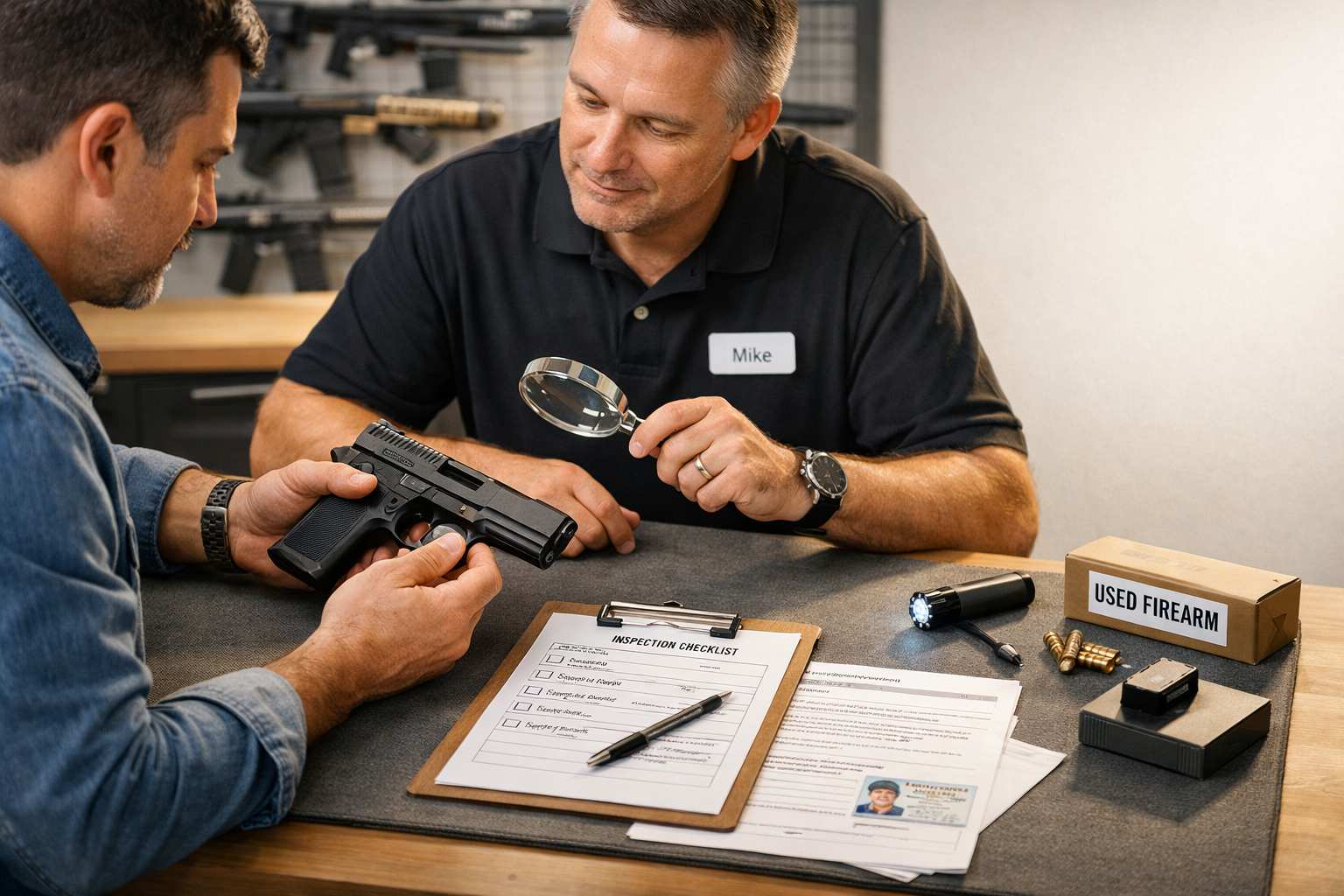

Buying a used firearm can be a smart way to save money, find a discontinued model, or get more value for your budget. It can also be a smart move for first-time owners who want to learn with a reliable platform without paying full retail. The key is knowing what to inspect before money changes hands. A used firearm should be evaluated for safety, condition, function, and paperwork just as carefully as any other major purchase.
If you are shopping locally or arranging a private sale, the process becomes even smoother when you work through a trusted seller or a licensed FFL transfer. For buyers in Southern Arizona, that means understanding how FFL transfer services work, why a licensed FFL transfer matters, and what to ask before completing the deal. Whether you need FFL transfer Vail AZ support, are looking for firearm transfer Tucson options, or simply want dependable firearm transfer services, a reputable dealer can help you avoid costly mistakes.
Start with the Overall Condition
The first impression matters, but it should not be the only thing you look at. A used firearm does not need to be pristine, yet visible wear should make sense for the age and claimed use of the gun. Honest holster wear, light handling marks, or normal finish fading may be acceptable. Deep rust, pitting, cracks, or poorly repaired damage are not.
Look Closely at the Exterior Finish
Check the slide, frame, barrel, receiver, and any exposed metal surfaces for rust, corrosion, and scratches. Surface wear on the finish is often cosmetic, but rust can point to poor storage or hidden damage. Pay attention to edges, screw heads, around the muzzle, and under the grips or stock where moisture can collect.
Inspect the Frame, Stock, or Grip Area
For handguns, look for cracks around the frame rails, grip screws, and dust cover. On long guns, inspect the stock, fore-end, and receiver area for splits, chips, or evidence of impact. Polymer frames should not show stress whitening, distortion, or cracks. Wood stocks should not be swollen, softened, or separated at the grain.
Examine the Bore and Barrel
When possible, check the bore with proper lighting. You want to see clean rifling or smooth interior surfaces without heavy rust, pitting, bulges, or obstruction damage. A dull bore is not automatically a deal-breaker, but a rough or damaged bore can affect accuracy and safety. Also inspect the crown or muzzle for nicks, since damage there can impact performance.
Tip: Normal wear is one thing; neglect is another. If you see corrosion, cracks, or evidence of amateur repairs, it is usually better to walk away.
Do a Basic Function Check
A firearm should not only look good; it should operate correctly. Before any handling, confirm the gun is unloaded and follow the seller’s safety rules. Keep the muzzle in a safe direction, remove the magazine if present, open the action, and physically and visually check the chamber.
Once the firearm is confirmed empty and the seller allows it, a basic function check can reveal a lot about its condition.
- Cycle the action: The slide, bolt, or pump should move smoothly without unusual grinding, binding, or hesitation.
- Check the trigger: The trigger should break cleanly, with no excessive creep, sticking, or inconsistent feel.
- Test the safety: Manual safeties, decockers, and safety selectors should engage and disengage properly.
- Inspect the magazine system: Magazines should insert, lock, and release correctly. Bent feed lips or damaged bodies are warning signs.
- Assess lockup and play: Excessive looseness in the slide, barrel, cylinder, or action can point to wear beyond normal use.
- Look for obvious timing or reset issues: On revolvers and some semi-autos, abnormal timing, poor reset, or inconsistent lockup should be treated seriously.
If you are new to firearms, it is okay to keep the function check simple and ask questions. A reputable seller will not mind a careful inspection. In fact, that is usually a good sign.
Know the Differences Between Firearm Types
Different firearm designs have different wear points. Semi-automatic pistols often show wear on slide rails, barrel lugs, and recoil springs. Revolvers may show endshake, timing issues, or cylinder gap concerns. Shotguns can reveal wear in the action bars, locking surfaces, and barrel connections. Rifles may show bolt wear, chamber issues, or loose optics mounting. You do not need to be a gunsmith, but you should know what “normal” looks like for the model you are buying.
Verify the Serial Number and Paperwork
One of the most important parts of buying a used firearm is making sure the serial number is intact and legible. The serial number should not appear filed off, altered, restamped, or otherwise damaged. If anything about the serial number looks questionable, stop the transaction and do not proceed.
Also compare the firearm details to any paperwork or listing description. Model, caliber or gauge, and included accessories should match what was advertised. If you are buying through an FFL, the paperwork should align with the firearm you are transferring.
This matters not only for peace of mind but also for legal and safety reasons. A clean transaction through firearm transfer services gives buyers and sellers documentation, traceability, and a more reliable process than an informal exchange alone. That is one of the biggest reasons many gun owners prefer working with a trusted dealer for a licensed FFL transfer.
Watch for Common Red Flags
Some used guns are excellent values. Others are problems waiting to happen. Be cautious if you notice any of the following:
- Serial number defacement, removal, or mismatched markings
- Heavy rust, active corrosion, or deep pitting
- Cracks in the frame, receiver, barrel, or stock
- Loose, missing, or improvised parts
- Signs of improper modifications or amateur gunsmithing
- Magazine, slide, bolt, or cylinder operation that feels gritty or unreliable
- Evidence the firearm may have been poorly stored or abused
It is also wise to be skeptical of a deal that seems too good to be true. A very low price can be a bargain, but it can also hide repair costs, missing parts, or legal issues. Never let a discount override a proper inspection.
Why a Trusted Seller or FFL Matters
Buying from a trusted seller reduces uncertainty. Buying through an FFL adds another layer of protection. A reputable dealer understands how to handle compliance, transfers, and recordkeeping, while also helping you avoid common mistakes that come with private sales.
For local buyers, this is especially helpful if you are searching for FFL transfer services in Southern Arizona. A licensed dealer can help facilitate a sale cleanly and professionally, whether you are arranging a pickup in Vail, coordinating FFL transfer Vail AZ needs, or using firearm transfer Tucson services. At RPG Tactical, we are a veteran-owned and operated licensed firearms dealer, and we believe responsible ownership starts with clear information and proper transfer procedures.
Working through a trusted FFL can also help with the following:
- Confirming the firearm is transferred according to federal and applicable state law
- Handling background check requirements where applicable
- Reducing the risk of buying a stolen or improperly sold firearm
- Giving both parties a professional, documented process
- Offering guidance if you are unsure about condition or compatibility
That extra confidence matters, especially for first-time buyers or anyone purchasing from a private seller. Even experienced gun owners benefit from a second set of eyes when evaluating a used firearm.
Key Takeaways
- Inspect condition carefully: Look for rust, cracks, poor storage signs, and damage that goes beyond normal wear.
- Check function safely: Confirm the firearm is unloaded, then evaluate the action, safety, trigger, and lockup.
- Verify serial numbers: Any sign of tampering is a major red flag.
- Use a trusted seller or FFL: A professional transfer reduces legal risk and helps ensure a smoother purchase.
- Don’t rush: If something feels off, walk away and keep shopping.
FAQ
Is cosmetic wear on a used firearm a problem?
Not necessarily. Light finish wear, holster marks, and minor handling scratches are common on used guns. The bigger concern is whether the wear is only cosmetic or tied to deeper issues like rust, pitting, cracks, or poor maintenance.
What is the most important thing to check before buying used?
The most important checks are safety, serial number integrity, and overall mechanical condition. A firearm should be clearly identifiable, show no signs of tampering, and function properly when inspected safely.
Should I test-fire a used firearm before buying it?
If possible and legally appropriate, a range demonstration can be helpful. But many private sales do not include a live-fire test. In those cases, a thorough visual inspection and unloaded function check become even more important.
Why should I use an FFL for a used firearm purchase?
An FFL helps keep the transfer process professional and compliant. It also adds accountability, paperwork, and support if questions come up about the firearm’s condition or ownership history. For many buyers, that peace of mind is worth it.
What if I’m not confident judging a used gun myself?
Bring someone knowledgeable, ask the seller for more photos, or have the transfer handled through a licensed dealer who can help you evaluate the firearm. If the seller resists reasonable questions, that is often a sign to move on.
Related Resources
- ATF Firearms Q&A — A useful federal reference for common firearm transfer and ownership questions.
- FBI NICS Information — Learn more about the background check system used in many firearm transfers.
- Project ChildSafe: Keep Guns Safe — Practical guidance on safe storage and responsible firearm ownership.
- NSSF Firearm Safety Resources — Safety education from a major firearms industry organization with beginner-friendly information.