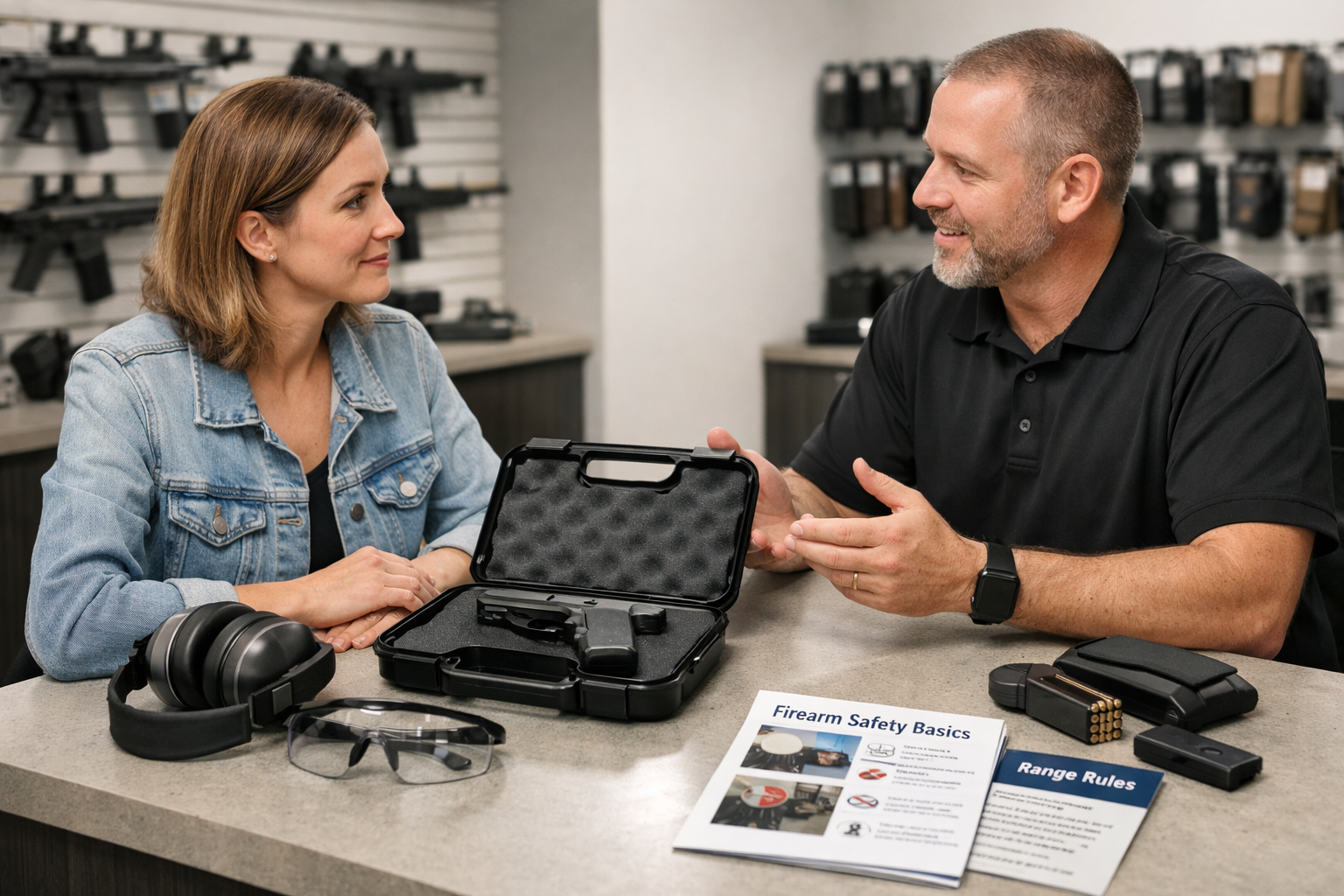

Choosing your first firearm can feel overwhelming, especially when every counter, catalog, and online listing seems to promise that one model is “perfect” for everyone. The truth is simpler: the right firearm for a first-time buyer is the one that matches your intended use, fits your hand well, is easy for you to control, and comes from a purchase process you understand and trust. If you keep those basics in mind, the decision becomes much more manageable.
This guide is designed to help you narrow your options without getting lost in technical jargon. Whether you are buying for home defense, range practice, hunting, or general preparedness, the goal is the same: make a safe, responsible choice you can grow with over time.
Start With the Reason You Want the Firearm
The best first firearm depends on what you plan to do with it. That sounds obvious, but many buyers start by asking, “What is the best gun?” instead of, “What do I actually need it to do?”
Common first-time buyer goals
- Home defense: You may want something reliable, easy to operate, and simple to store securely.
- Range practice: Comfort, manageable recoil, and affordable training matter more than maximum power.
- Hunting: The right firearm depends heavily on the game, distance, and local regulations.
- Concealed carry: Size, weight, and consistency of handling become especially important.
For a first purchase, it often helps to start with a firearm that does one thing well rather than trying to buy a do-everything model. A simple, reliable option is usually easier to learn, maintain, and shoot accurately.
Fit and Comfort Matter More Than Brand Names
A firearm can look ideal on paper and still feel wrong in your hand. That is why comfort and fit are such important factors for first-time buyers. If a firearm feels awkward, too heavy, or difficult to reach and control, you are less likely to use it confidently and safely.
What to pay attention to when handling a firearm
- Grip size: Can you hold it securely without straining your hand?
- Trigger reach: Can you press the trigger naturally without shifting your grip?
- Weight: Is it light enough to carry or hold comfortably, but still stable in your hands?
- Controls: Can you reach the magazine release, safety, or slide release without awkward movements?
If possible, handle several models before making a purchase. Many ranges and dealers will let you compare different options side by side, and some ranges allow rentals. That hands-on experience can tell you more in five minutes than hours of online research.
A good first firearm should feel manageable, not intimidating. Confidence comes from fit, control, and practice—not from choosing the largest or most powerful option available.
Choose a Caliber You Can Control
New buyers often assume that bigger calibers are always better. In reality, the “best” caliber is usually the one you can handle well, shoot accurately, and practice with consistently. A firearm that is difficult to control will not help you much if you cannot place shots where they need to go.
Why recoil matters
Recoil is the rearward movement you feel when a firearm is fired. Some recoil is normal, but too much recoil can make a first-time buyer tense up, develop poor habits, or avoid practice. A manageable caliber makes it easier to learn the fundamentals and build good technique.
Focus on controllability and availability
For many beginners, it is smart to choose a common caliber that is widely available and affordable to practice with. Regular practice is a huge part of responsible ownership, and a caliber you can afford to train with will usually serve you better than a more powerful round that stays in the safe because you dislike shooting it.
Ask yourself a simple question: Can I confidently and comfortably practice with this firearm enough to become proficient? If the answer is no, keep looking.
Keep the First Firearm Simple
First-time buyers often do best with a firearm that has straightforward controls and a clear manual of arms. The more complicated the system, the more room there is for confusion under stress.
Simple does not mean low quality
Many excellent firearms are designed to be easy to understand and reliable in everyday use. What matters is not how many features a firearm has, but whether you can operate those features safely and consistently.
- Look for a design you can learn quickly.
- Choose a firearm with a reputation for reliability.
- Avoid paying extra for features you may not use right away.
- Make sure cleaning and maintenance are realistic for your comfort level.
A beginner-friendly firearm should support learning, not create distractions. Simplicity is a real advantage, especially when you are still building safe habits.
Safety and Legal Basics Should Come First
Before you buy, make sure you understand the safety and legal side of ownership. That includes safe handling rules, secure storage, and the purchase process itself. It also means knowing whether you are buying from a local dealer, ordering online, or completing a transfer.
Basic safety habits every new owner should learn
- Treat every firearm as if it is loaded.
- Keep the muzzle pointed in a safe direction.
- Keep your finger off the trigger until you are ready to fire.
- Know your target and what is beyond it.
Just as important as handling is storage. A secure safe, lockbox, or other approved storage method helps prevent unauthorized access and supports responsible ownership at home.
If you are buying online or receiving a firearm from another seller, you may need FFL transfer services to complete the transaction through a licensed dealer. For buyers searching for firearm transfer Tucson, FFL transfer Vail AZ, or a trusted Southern Arizona FFL, working with a licensed FFL transfer can help ensure the process is handled properly. As a veteran-owned and operated dealer, RPG Tactical focuses on straightforward, responsible service so first-time buyers know what to expect.
Where to Buy Matters as Much as What You Buy
A reputable seller can make your first purchase much less stressful. A good dealer will answer questions clearly, explain the process without pressure, and help you understand what paperwork or transfer steps apply to your situation.
If you are buying from a dealer that offers FFL transfer services, ask how the transfer works, what identification you will need, and how long the process usually takes. If you are shopping online, confirm that the seller will ship to your chosen dealer and that the destination dealer accepts the transfer before you place the order.
First-time buyers often benefit from a dealer who is patient and educational rather than pushy. The right shop should help you make a confident decision, not rush you into one.
Try Before You Commit, If You Can
One of the smartest things a first-time buyer can do is try several firearms before purchasing. Renting at a range, borrowing under proper supervision where legal, or attending a beginner-friendly class can help you compare different sizes, calibers, and control layouts.
When you test a firearm, pay attention to more than accuracy. Ask yourself:
- Did I feel comfortable loading and unloading it?
- Was the recoil manageable?
- Could I keep a stable grip?
- Did I understand the controls without confusion?
These practical questions are often more useful than chasing a recommendation from someone else’s favorite brand or caliber. What works well for an experienced shooter may not be the best fit for a beginner.
Key Takeaways
- Start with your intended use: home defense, range practice, hunting, or carry.
- Choose fit and comfort over brand hype or maximum power.
- Select a caliber you can control and afford to practice with regularly.
- Keep your first firearm simple, reliable, and easy to learn.
- Learn safety rules, storage basics, and the legal purchase or transfer process before you buy.
- Use a reputable dealer or licensed FFL transfer service when needed.
FAQ
What is the best firearm for a first-time buyer?
There is no single best firearm for everyone. The right choice depends on what you want it for, how it fits your hand, and how well you can control it. For most beginners, the best firearm is one that is reliable, manageable, and simple to learn.
Should I buy the largest caliber I can handle?
Not necessarily. A caliber that is too powerful can be harder to control and less enjoyable to practice with. For a first-time buyer, consistency and comfort usually matter more than size alone.
Is it better to buy new or used?
Both can be good options. New firearms offer factory condition and warranty support, while used firearms can provide value if inspected carefully. If you are unsure, buy from a reputable dealer who can explain the condition and history as much as possible.
Do I need an FFL transfer for an online purchase?
In many cases, yes. Firearms purchased online usually ship to a local dealer for pickup through FFL transfer services. That is why buyers often work with a Southern Arizona FFL or a local dealer that offers a licensed FFL transfer. If you are looking for firearm transfer Tucson or FFL transfer Vail AZ, confirm the dealer’s process before ordering.
How do I know if a firearm fits me well?
It should feel secure in your hand, allow you to reach the controls comfortably, and not feel excessively heavy or difficult to manage. If possible, handle or rent a few options and compare them in person.
Related Resources
- ATF Firearms Q&A — A useful federal reference for common questions about firearm purchases, possession, and transfers.
- NSSF Firearm Safety Resources — Practical safety guidance from the National Shooting Sports Foundation for new and experienced owners.
- Project ChildSafe — A well-known safe-storage resource with easy-to-understand education for responsible firearm ownership.
- FBI National Instant Criminal Background Check System (NICS) — Background information on the federal check process used for many firearm sales.