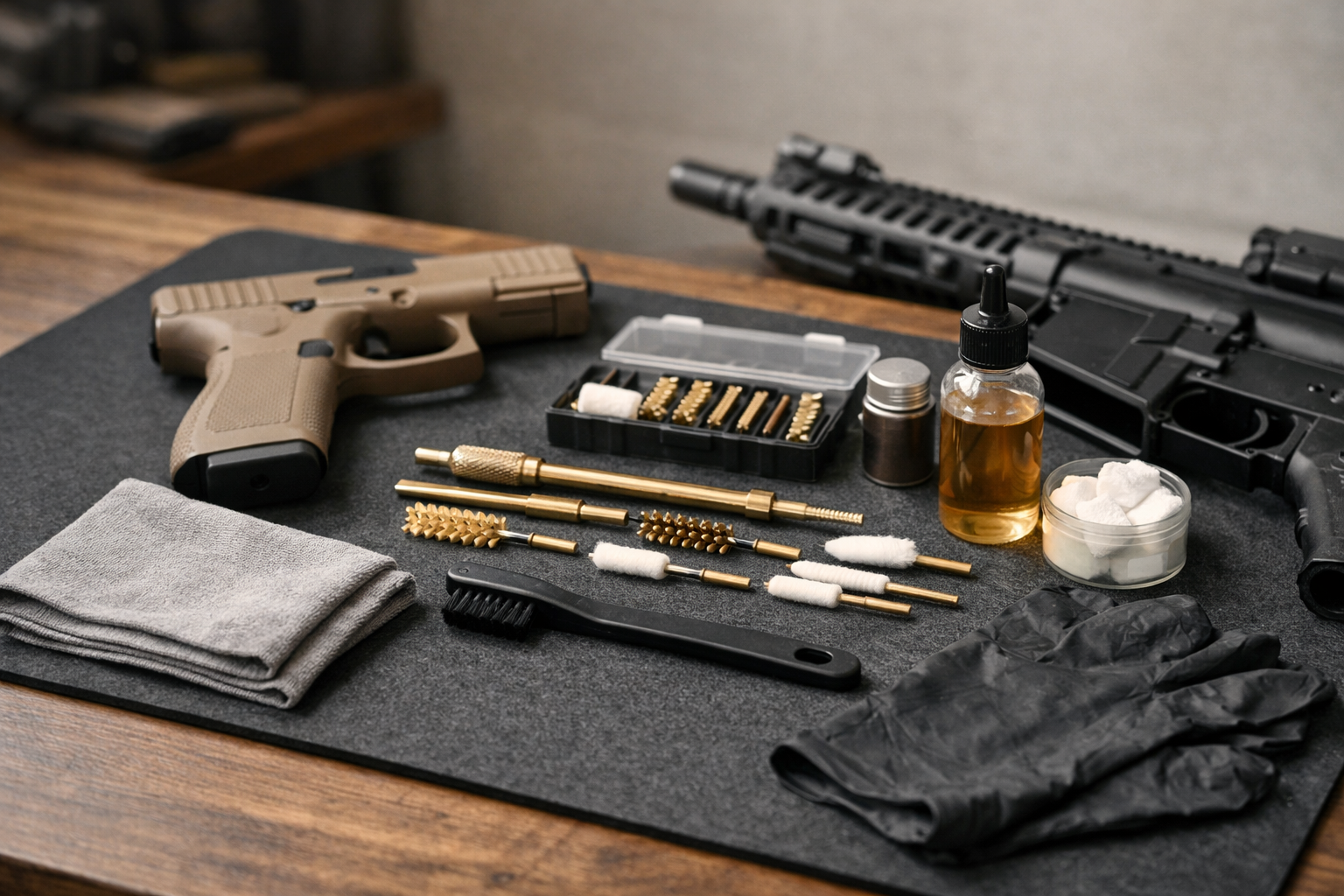

How often you should clean your firearm depends on how you use it, where you store it, and what kind of ammo you shoot. There is no single schedule that fits every gun owner. A hunting rifle that sees rain and dust needs a different cleaning routine than a home-defense handgun that lives in a nightstand safe. The goal is not to clean constantly for the sake of it; the goal is to keep the firearm reliable, safe, and protected from wear, corrosion, and buildup.
For most everyday gun owners, a sensible rule is this: clean after heavy use, clean after exposure to moisture or dirt, and inspect regularly even if the firearm has not been fired. If you have recently completed an online firearm transfer through a local FFL dealer, or picked up a pistol, rifle, or shotgun through FFL transfer services, a basic cleaning and function check before first use is a smart habit. That applies whether you are dealing with handgun transfers, rifle transfers, shotgun transfers, or other firearm transfers through a licensed FFL transfer process.
How Often Should You Clean Your Firearm?
The best cleaning schedule is based on use, not just time. A firearm that is fired often, carried daily, or exposed to dust and moisture should be cleaned more frequently than one that stays in climate-controlled storage.
General cleaning guidelines by use
- Occasional range gun: Clean after every range session or after a few hundred rounds, especially if the gun starts to feel gritty or sluggish.
- Carry handgun: Wipe down after carrying, and do a more detailed cleaning every 200 to 300 rounds or any time sweat, lint, or debris builds up.
- Home-defense firearm: Inspect monthly and clean every few months, even if it has not been fired, so you can confirm function and check for rust or dust.
- Hunting rifle or shotgun: Clean after each outing, especially if it was exposed to rain, snow, mud, brush, or long periods outdoors.
- High-volume or competition gun: Clean more often, sometimes every range day, because fouling can affect reliability and accuracy quickly.
If you only shoot a few boxes of ammo a year, you do not need to strip and scrub the gun constantly. On the other hand, a firearm that gets regular use should not be left dirty for months at a time. A reasonable routine is better than overcleaning or neglect.
Usage matters more than the calendar
A firearm that fires 50 rounds a year may only need light maintenance and inspection. A defensive handgun that rides in a holster every day may need attention much sooner because sweat, dust, and lint can collect in the slide, sight channels, magazine well, and trigger area. In practical terms, the more a firearm is handled, carried, or fired, the shorter the interval between cleanings should be.
This is especially relevant for buyers who receive firearms through FFL transfers or firearm transfer services. Whether you are working with a gun transfer dealer, a local FFL dealer, or arranging a legal firearm transfer in person, it is wise to inspect the firearm, verify it is clear, and perform a light cleaning before regular use. That is true for pistol transfers, handgun transfers, long gun transfers, rifle transfers, and shotgun transfers alike.
Weather and storage conditions change the schedule
Weather can make a bigger difference than people expect. Heat, humidity, rain, snow, dust, and temperature swings can all affect how often a firearm should be cleaned and inspected.
- Humid climates: Increase inspection frequency and use protective oil or rust inhibitor more carefully.
- Dry dusty environments: Clean more often because fine grit can work into moving parts and magazines.
- Cold weather: Use lighter lubrication and avoid leaving excess oil that can thicken or attract debris.
- Wet conditions: Dry the firearm as soon as possible and clean it promptly after exposure.
Storage matters too. A firearm stored in a safe with good humidity control may need less frequent maintenance than one kept in a vehicle, garage, or soft case for long periods. If you live in Southern Arizona, the dry climate helps reduce rust risk, but dust still matters. For owners in areas like Tucson firearms markets or Vail AZ firearms circles, a clean, lightly protected firearm is still the right standard, especially if the gun sees regular carry or outdoor use.
Ammo type can change how dirty a firearm gets
Not all ammunition leaves the same amount of residue. Some ammo types burn cleaner than others, and that affects how often you should clean.
- Steel-cased or budget ammo: Often leaves more fouling and may require more frequent cleaning.
- Suppressor use: Typically increases carbon buildup and can make a firearm dirty faster.
- Lead bullets: Can create more residue in the bore and action, depending on load and barrel type.
- Clean-burning defensive ammo: May reduce fouling somewhat, but it still needs inspection and maintenance.
If you notice more carbon, sluggish cycling, dirty magazines, or a sharp drop in reliability, do not wait for a round count milestone. Clean the firearm sooner. The gun itself will usually tell you when it needs attention.
Do not overclean your firearm
There is such a thing as cleaning too much. Repeated aggressive scrubbing, harsh chemicals, or unnecessary disassembly can wear finishes, damage small parts, or strip lubricant from areas that need protection. For many owners, the best routine is a careful cleaning when needed, followed by a light coat of the right lubricant and a quick function check.
Tip: A firearm should be clean enough to function reliably and resist corrosion, but not scrubbed so hard that you create more wear than the fouling would have caused.
What a basic cleaning routine should include
You do not need to make every cleaning session a full detail strip. For most firearms, a basic routine is enough between deeper cleanings.
- Make sure the firearm is unloaded and safe.
- Field strip according to the manufacturer’s instructions.
- Clean the bore, chamber, bolt face, slide, or action area as applicable.
- Remove carbon and debris from magazines, feed ramps, and contact points.
- Apply a light, appropriate lubricant to friction surfaces.
- Reassemble and perform a simple function check.
For some guns, especially older designs or heavily used firearms, a deeper cleaning may be needed occasionally. But most owners can stay in good shape with regular basic maintenance.
Key Takeaways
- Clean based on use, not just time. More rounds, more carry, and more exposure to weather all mean more frequent maintenance.
- Carry guns need regular wipe-downs. Sweat, lint, and dust can build up quickly on handguns carried every day.
- Weather and storage matter. Humidity, rain, dust, and poor storage conditions shorten the time between cleanings.
- Ammo type affects fouling. Dirtier ammo, suppressed shooting, and lead loads can require more attention.
- Do not overdo it. A reliable cleaning routine is better than aggressive or unnecessary detail stripping.
FAQ
How often should I clean a handgun?
For a handgun that is carried often or shot regularly, a good rule is to clean it after each range trip or every 200 to 300 rounds, plus a regular wipe-down if it is carried daily. If it is a home-defense gun stored in a safe, inspect it monthly and clean it every few months or sooner if needed.
Do I need to clean my firearm after every range trip?
Not always, but it is often a good habit. If you only fired a small number of rounds and the gun is still running well, a thorough cleaning may not be urgent. If you shot a larger volume, used dirty ammo, or plan to store the firearm for a while, cleaning after the range is a smart move.
Can I damage my firearm by cleaning it too much?
Yes, if you use harsh tools, scrub excessively, or take the gun apart more than necessary. Overcleaning can wear finishes and remove protective lubricant. Routine maintenance is important, but it should be done carefully and with the right products.
What firearms need the most frequent cleaning?
Carry handguns, competition guns, suppressed firearms, hunting guns exposed to the elements, and firearms that use dirtier ammo usually need the most frequent attention. Rifles and shotguns used in wet or dusty conditions should also be cleaned promptly after use.
Does a new firearm need to be cleaned before first use?
Yes, in most cases it is a good idea. New firearms may have packing grease, preservatives, or factory debris on them. After a legal firearm transfer or licensed FFL transfer, a quick inspection and basic cleaning can help ensure smooth operation before your first range session.
How do FFL transfers relate to firearm cleaning?
They are separate issues, but they often overlap in real life. When buyers complete FFL transfers, firearm transfer services, or online firearm transfer pickups through a local FFL dealer, it is a good time to inspect the firearm, verify safe condition, and clean it before regular use. That applies to handgun transfers, pistol transfers, long gun transfers, rifle transfers, and shotgun transfers.
Related Resources
- ATF Firearms Frequently Asked Questions — A reliable federal resource for common questions about firearm ownership, transfers, and compliance.
- ATF Firearms Information — General ATF guidance that can help owners understand federal firearms rules and dealer-related topics.
- Project ChildSafe — Practical safe-storage guidance that complements regular firearm maintenance and responsible ownership.
- NSSF Safety Resources — Safety education and storage information for gun owners who want to build better habits at home and at the range.